Paradiso is not passive, and the Aelar who live there are not uniformly warm to the mortals who visit it. The Sanctus layers receive the broadly virtuous; the Citadel, governed by the Celestial Dragon, is the plane's military center in an ongoing war against the Hells; the Astrum layers hold souls whose virtue reshaped who they were rather than merely guided what they did. Living mortals are tolerated by the layer lords and resented by most everyone below them, because Aelar experience a living presence as contaminating in a way that is not metaphorical. The Serren carry a thinned inheritance of this: generations back, unions between Aelar and mortals left a bloodline that persists in the Prime, long after the unions themselves were forbidden.
A Lesser Angel or a Judgment Herald encountered in this world is doing something specific, not merely glowing at people. The Graces, Paradiso's answer to the Hells' Tempters, work the mortal world directly and are described as effective rather than gentle; individual Graces have not yet been catalogued here, which leaves room for a Judgment Herald or a future entry to be one of them, or something adjacent. A Saint's Remnant is not an angel at all, it is what stays behind when a mortal's devotion outlasted their body. A Divine Beast is simpler: an animal a god noticed, and marked, and did not explain why.
At the table: celestial does not mean safe, and it rarely means patient. An Aelar's help comes with an Aelar's judgment attached, and the judgment does not soften for a party that is technically on the right side.
Divine Beast
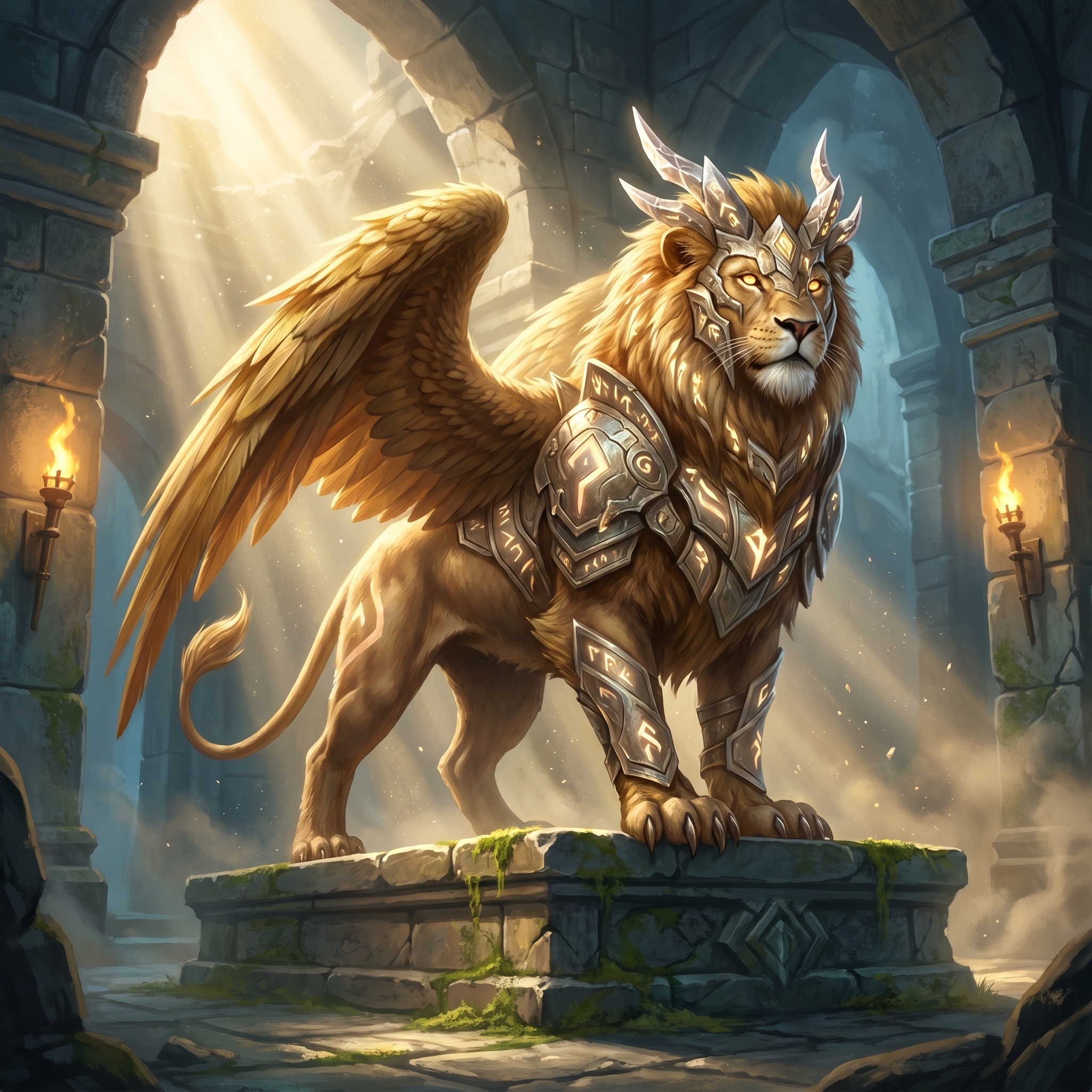
Role: Elite Sacred Animal Where It Appears: Deity territories, shrine wilderness, miracle sites.
What It Is
Divine beasts are animals marked by a god's attention. Their form depends on the patron. A stag of mercy, wolf of war, owl of knowledge, serpent of death, ox of harvest, or fish of river law all use the same chassis differently.
They are still animals, but their instincts are edited by portfolio. They may hunt, guard, guide, test, or punish according to the divine mark.
Ecology and Behavior
Divine beasts appear in deity territories, shrine wilderness, miracle sites, holy groves, battlefield omens, and borderlands where a god's attention has lingered. They are rarely domesticated. At most, they cooperate with priests or chosen families.
Their behavior reveals doctrine. A war beast may challenge strength. A mercy beast may protect the fallen. A knowledge beast may lead travelers to a hidden truth they did not request.
Signs and Knowledge
Survival or Theology (Average) identifies a divine beast's patron signs. Planar Lore (Hard) distinguishes divine marking from ordinary mutation or training.
Other signs include tracks shaped like holy marks, animals giving it passage, local taboos around hunting, and dreams of the beast before it appears.
Divine Beast (Elite)
- Skills: Unarmed 4, Athletics 4, Perception 4, Survival 4, Readiness 4.
- Attacks: Sacred Strike (Unarmed; Damage 9; Crit 4; Pierce 2).
- Abilities: God-Marked — Choose one portfolio trait: mercy heals, war adds damage, death ignores fear, knowledge reveals hidden things, etc.
- Soul: Canon does not specify for the Aelar, and no claimable coin exists; at death canon does not specify (default).
Tactics
A divine beast acts according to patron portfolio, not animal instinct alone. It may refuse to kill, single out oathbreakers, attack only armed targets, guide the lost, or defend a corpse until rites are complete.
Choose the portfolio before the encounter. The same stat block should feel different under different gods.
Relics and Trade
| Find | Value | Use | Recovery |
|---|---|---|---|
| Naturally shed sign | 500-2,500 gold Flargons to temples | Relic, omen proof, blessing focus | Theology or Survival (Average) |
| Sacred track casting | 200-1,000 gold Flargons | Pilgrimage proof, divination aid | Survival (Average) |
| Blood or hide | Not ethical trade | Poaching evidence, curse trigger | Harvesting is usually sacrilege |
Variants
- Mercy Beast: Shields the wounded and resists killing blows.
- War Beast: Challenges leaders and honors courage.
- Knowledge Beast: Leads pursuers toward truth rather than safety.
Judgment Herald
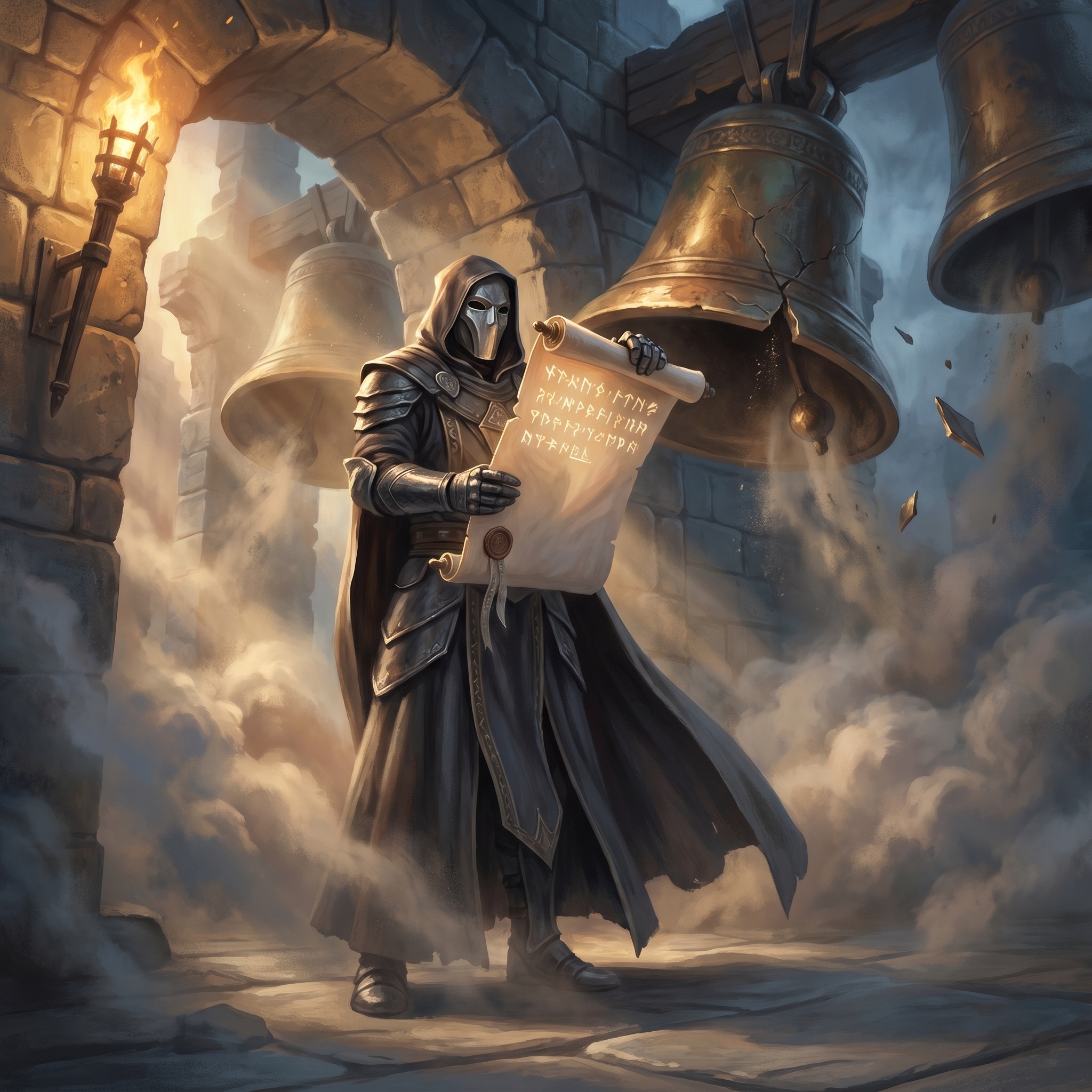
Role: Nemesis Divine Envoy Where It Appears: Divine courts, punishment scenes, violated sanctuaries.
"It is not angry. Anger would require it to disagree with the outcome. The Herald simply arrives when the weight is settled." — Divine compact doctrine, Temple of Echo, On the Nature of Heralds
What It Is
Judgment heralds arrive when a god wants a decision witnessed. They are less interested in combat than record, charge, answer, and sentence. A herald may be masked, radiant, terrible, beautiful, or almost bureaucratic, but it always carries the sense that the scene has become evidence.
The herald is not a random avenger. It is a divine envoy sent to establish what happened, who answers, and what consequence follows.
Ecology and Behavior
Judgment heralds appear in divine courts, punishment scenes, violated sanctuaries, oath trials, battlefield reckonings, and public moments where a god wants witnesses. They ask questions before striking unless doctrine forbids delay. Lies matter more in their presence because the herald exists to make truth actionable.
They may be opposed without being evil. A party protecting someone guilty, hiding a mercy, or resisting a god's harsh law may find a judgment herald to be a sincere and dangerous antagonist.
Signs and Knowledge
Theology, Lore, or Planar Lore (Hard) identifies the court and charge tradition. Negotiation (Hard) can frame an answer without worsening the sentence.
Other signs include bells sounding where no bell hangs, shadows facing the accused, written charges appearing on blank surfaces, and bystanders feeling compelled to remember exact words.
Judgment Herald (Nemesis)
- Skills: Lore 5, Planar Lore 5, Leadership 5, Intimidation 5, Negotiation 4, Heavy Melee 3.
- Attacks: Sentence Staff (Heavy Melee; Damage 9; Crit 3; Stun 3); Pronouncement (Leadership; Damage 10 Strain; Range Medium).
- Abilities: Read the Charge — Once per scene, name a true violation. The target suffers 5 Strain or must answer with Hard Negotiation, Lore, or Deception.
- Abilities: Witnessed — Lies spoken in its presence add 2 Banes if the speaker knows they are false.
- Soul: Canon does not specify for the Aelar, and no claimable coin exists; at death canon does not specify (default).
Tactics
A judgment herald announces, questions, sentences, and calls servants if resisted. It attacks Strain with Pronouncement before using the staff, because breaking falsehood matters more than breaking bone. If the accused answers well, the herald may narrow the sentence or redirect it.
The encounter should give room for testimony. Evidence, confession, countercharge, divine precedent, or a better reading of the law can change the fight.
Relics and Trade
| Find | Value | Use | Recovery |
|---|---|---|---|
| Charge scroll fragments | 1,000-5,000 gold Flargons to temples or courts | Legal relic, proof of divine attention | Theology or Lore (Hard) |
| Witness seal | 800-3,000 gold Flargons | Truth rites, testimony preservation | Planar Lore or Theology (Hard) |
| Bell splinter | 600-1,800 gold Flargons | Alarm wards, judgment magic | Craft or Secret Lore (Average) |
Variants
- Mercy Herald: Seeks confession and restoration before punishment.
- War Herald: Reads charges against armies, banners, and commanders.
- Dead Court Herald: Speaks for a death god and refuses to let stolen souls remain hidden.
Lesser Angel

Role: Elite Divine Servant Where It Appears: Divine missions, temple visions, Shattered Domain borders.
What It Is
Lesser angels are not generic goodness. Each serves a deity's portfolio and politics. Mercy, law, harvest, war, death, and knowledge all make different angels. A lesser angel is a divine servant with a mandate, not a universal moral answer.
They can be allies, opponents, witnesses, or complications. The important question is not "is it good?" but "what did its deity send it to accomplish?"
Ecology and Behavior
Lesser angels appear during divine missions, temple visions, Shattered Domain border incidents, holy quests, and moments when a god's portfolio requires hands in the world. They do not usually linger without purpose. Their presence means a doctrine, court, or god has decided the situation matters.
Their personalities reflect mandate. A harvest angel may be patient and terrifying about waste. A war angel may respect courage and despise negotiation. A knowledge angel may preserve truth at the cost of comfort.
Signs and Knowledge
Theology or Planar Lore (Average) identifies the serving deity and portfolio signs. Lore (Hard) predicts what the angel's doctrine permits.
Other signs include light shaped by holy symbols, local prayers answered too literally, animals reacting according to the portfolio, and the sense that the room has become a place of testimony.
Lesser Angel (Elite)
- Skills: Heavy Melee 4, Readiness 5, Leadership 3, Lore 4, Planar Lore 4.
- Attacks: Portfolio Blade (Heavy Melee; Damage 9; Crit 3; Pierce 2); Commanding Radiance (Leadership; Damage 7 Strain; Range Short).
- Abilities: Portfolio Mandate — Add 1 Boon when acting directly within the angel's deity portfolio.
- Soul: Canon does not specify for the Aelar, and no claimable coin exists; at death canon does not specify (default).
Tactics
A lesser angel states its mandate, offers one chance if doctrine permits, and executes the task. It does not fight randomly. It targets obstacles to the mandate, protects named charges, and withdraws when the divine purpose is complete or impossible.
Use the angel to make theology concrete. Its choices should reveal what the deity values when ideals collide.
Relics and Trade
| Find | Value | Use | Recovery |
|---|---|---|---|
| Fallen feather | Not a commodity to the faithful | Relic, proof of visitation, divine focus | Theology (Average) to handle properly |
| Mandate mark | Varies | Identifies divine mission and jurisdiction | Planar Lore or Theology (Hard) |
| Portfolio ash or light | 500-2,500 gold Flargons to scholars | Miracle study, temple evidence | Secret Lore or Theology (Hard) |
Variants
- Mercy Angel: Gives warning and hates wasteful punishment.
- War Angel: Respects courage but may reject compromise.
- Death Angel: Gentle, severe, and impossible to distract from proper passage.
Saint's Remnant
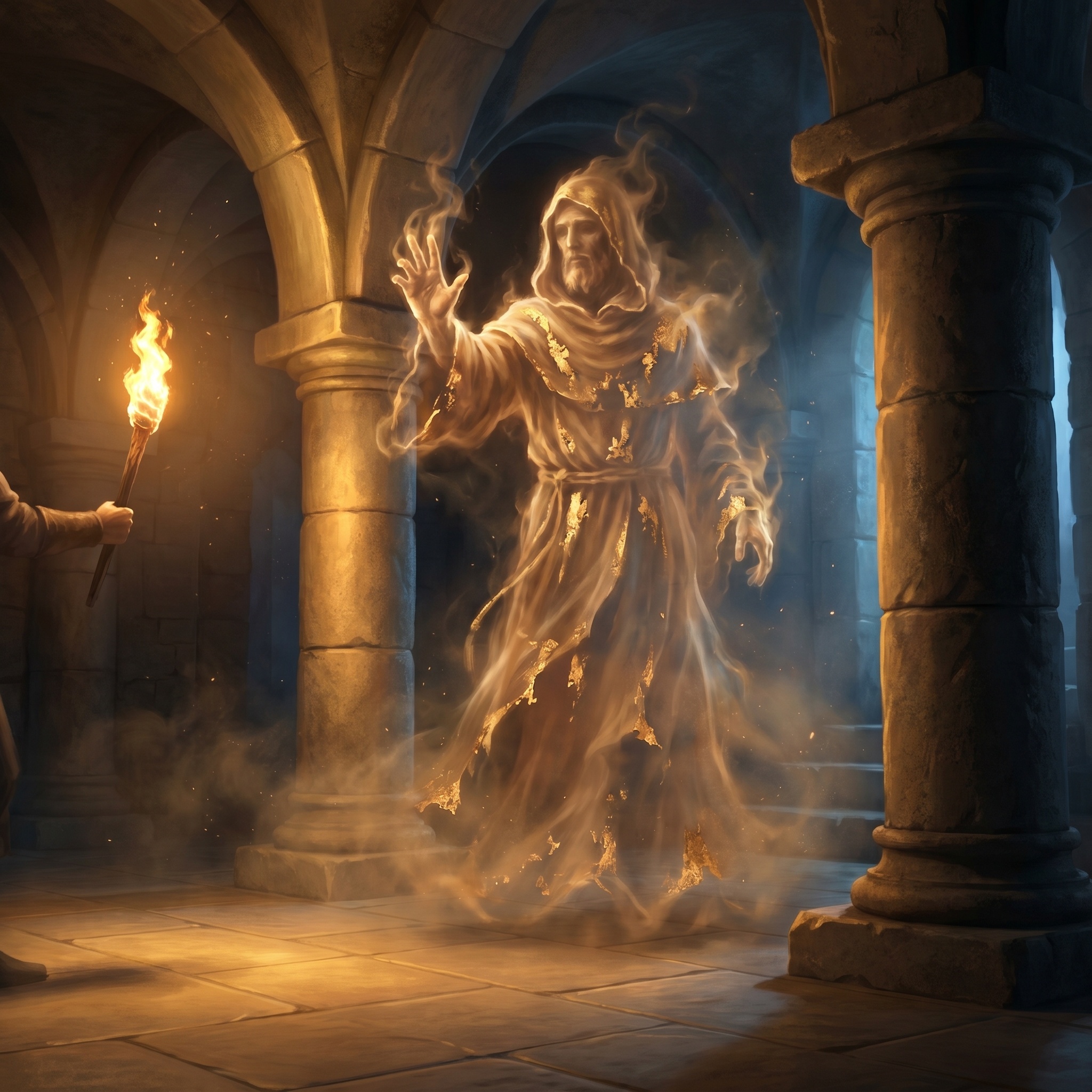
Role: Nemesis Holy Spirit Where It Appears: Reliquaries, martyr sites, crisis visions.
"The miracle still works. The thing performing it is not what it was. Whether that matters is, I am told, a theological question." — Temple of Echo doctrinal review board, advisory note
What It Is
A saint's remnant is not the full saint. It is the afterimage of a holy life attached to a place, relic, or unfinished protection. It may be made of candle smoke, gold leaf, old prayers, or the memory of hands that once healed.
As a Nemesis, a saint's remnant is not "evil holy." It is holy purpose narrowed by place, trauma, and incomplete context.
Ecology and Behavior
Saint's remnants appear in reliquaries, martyr sites, crisis visions, plague chapels, and sanctuaries where the saint's work was interrupted or betrayed. They protect innocents, relics, vows, or the specific mercy their life embodied.
They may oppose the party if the party threatens the charge, mishandles a relic, or tries to take a protected person for a good reason the remnant cannot accept. A remnant can often be reasoned with through doctrine, testimony, or an act matching the saint's virtue.
Signs and Knowledge
Theology, Lore, or Medicine (Hard) identifies the saint and unfinished protection. Charm or Negotiation (Hard) can frame a plea in the saint's virtue.
Other signs include candles burning without fuel, old wounds aching near the relic, prayers answered in fragments, and hostile creatures hesitating at sanctuary boundaries.
Saint's Remnant (Nemesis)
- Skills: Leadership 5, Lore 5, Negotiation 4, Readiness 5, Medicine 4.
- Attacks: Rebuking Light (Leadership; Damage 8 Strain; Range Medium); Mercy Burn (Willpower; Damage 6; Range Short).
- Abilities: Sanctuary Memory — Allies protecting the remnant's charge recover 2 Strain at the end of their turns.
- Soul: Not a soul in the mortal sense, it is what stayed behind when a mortal's devotion outlasted the body; at death canon does not specify (default).
Tactics
A saint's remnant warns, protects innocents, and rebukes desecrators. It attacks resolve before bodies, trying to force recognition of the sacred boundary. If the party demonstrates the saint's virtue, it may allow passage or aid.
The encounter should make values specific. "Holy" is less useful than mercy, truth, shelter, martyrdom, healing, or judgment.
Relics and Trade
| Find | Value | Use | Recovery |
|---|---|---|---|
| Relic dust or gold leaf | Not ethical commodity | Healing rites, proof of site, temple restoration | Theology (Hard), sanctioned handling only |
| Saint's testimony fragment | Priceless to the faith | Resolves dispute, redirects remnant | Lore or Theology (Hard) |
| Candle smoke vial | 500-2,000 gold Flargons to scholars | Vision rites, sanctuary study | Secret Lore or Theology (Hard) |
Variants
- Healer's Remnant: Protects the sick even from necessary evacuation.
- Martyr's Remnant: Demands truth about the death before aiding anyone.
- Shelter Saint: Turns a building into sanctuary and refuses all armed entry.